01 · Application inputs, not process recipes

4-trifluoroacetyl toluene supplier requirements by use setting

Translate the intended process into purchase fields for a 4-trifluoroacetyl toluene supplier. This page lists what a buyer should write on the RFQ so assay, package and documents can be compared. It does not approve a formulation, certify a plant or tell operators how to handle a flammable aromatic. Final handling, storage and transport follow the exact SDS, UN classification and destination law.

  1. 02 Assay, moisture and residue stay open until the quoted SKU is named.
  2. 03 Package and flash-point statements are written before freight class is assumed.
  3. 04 SDS, TDS and CoA are requested for that lot, not a family file.
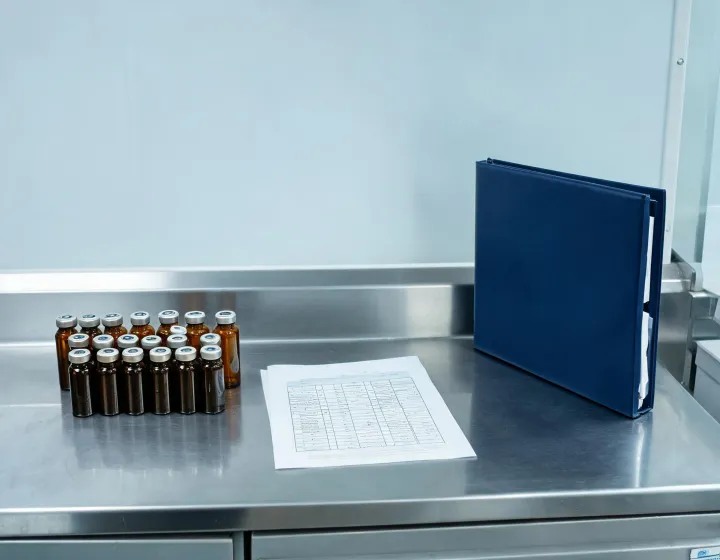
Formulation bench with sealed vials and a specification matrix

Application matrix used only to write RFQ fields

Each row is a starting question set. Similar names can cover nitration feedstock, process solvent, substituted intermediates or recovered streams. Record the intended use, then keep concentration, purity, moisture and transport classification open until a supplier answers the quoted SKU. Trade-off: a recovered or technical grade may lower documented cost but can fail an assay, odor or benzene limit that a nitration or ACS brief requires.

Nitration and alkylation feedstock

Ask the 4-trifluoroacetyl toluene supplier or toluene supplier to state assay, moisture, benzene and residue limits that the receiving lab will test. A typical sheet is not a lot-controlled CoA. Record whether recovered solvent is acceptable and keep that substitution on a separate line.

Coatings and resin processing solvent

Capture evaporation behavior questions as buyer-owned process notes, then request density, flash point and inhibitor statements on the quotation. Do not treat this matrix as mixing or thinning instructions. Package size and residual water can change both freight class and film-formation tests.

Fine-chemical intermediate isolation

When the brief names 4-(trifluoroacetyl)toluene or 4-trifluoroacetyl toluene, record isomer statement, assay method and residual toluene if that parent solvent remains a specification. Family literature from another catalog is not evidence for the quoted intermediate.

Distribution and relabel programs

Distributors need net content, palletization, labeling language and whether the SDS can travel with their own customer pack. Relabel constraints belong on the RFQ; this site does not authorize a brand or hold a warehouse SKU.

Selection factors that stay visible

Virgin versus recovered streams, drum versus IBC versus tank, and typical versus lot-controlled assay are buyer decisions. Unit price is compared only after product basis, currency, quantity, package contents, Incoterm, freight scope and exclusions are aligned. This page does not publish a lowest price or a promised cost outcome.

Document questions that follow from the use setting

Which SDS applies to the quoted concentration?

A family SDS can start the file list. Handling, storage and emergency response wait for the SDS of the exact concentration and package. This site does not provide operating or mixing instructions.

What will the TDS lock versus leave typical?

Ask whether assay, moisture, density, flash point and residual metals are typical values or lot limits. Typical values cannot close a receiving inspection by themselves.

Which regulatory files are asked, not claimed?

TSCA status for US supply, REACH statements, GMP evidence or ISO quality-system files are questions to the proposed supplier. They are not certifications held by Toluene Supplier Sourcing.

Continue to the bulk toluene workflow or submit the RFQ once the application fields are written.

Convert the application notes into a brief

Name nitration feedstock, coatings solvent or intermediate isolation, then add assay, moisture, package and the US city of delivery. An application label is not proof that a quoted lot will pass your method.